Makeup doesn’t begin with foundation, which is amusing given that the product is often thought of as the “base.” The real starting point is prepping your skin. The better the skin is prepped, the better the result will be. When your skin is clean, hydrated, and nourished, every product you use—from foundation to blush—applies smoothly and lasts longer. For mature skin, this preparation requires additional attention, as the skin is more prone to dryness and sensitivity.
A well-structured skincare routine before applying makeup is essential for older women, but it’s beneficial for anyone. The first step is cleansing, which removes dirt and overnight buildup of sweat and oil from the skin. This creates a clean and smooth base for applying makeup. When it comes to choosing a cleanser for mature skin, a hydrating cleanser stands out as an ideal option. Look for cream-based cleaners that contain ceramides. If your skin is sensitive, micellar water can be a great option, as it is gentle, effective, and doesn’t require rinsing.
After cleansing, ensure to always pat your skin dry with a towel instead of rubbing it. While rubbing might dry the skin faster, it can lead to irritation and dryness.
Exfoliate
Exfoliation is a step further in cleansing the skin, as it helps remove dead skin buildup and unclogs your pores, allowing your natural glow to shine through. However, considering how harsh exfoliation can be on the skin, it is important to practice moderation. Mature skin tends to be more delicate and leans toward dryness, so exfoliating just once, or at most, twice a week is ideal. When you do exfoliate, stick to gentle chemical exfoliants like AHAs. Make sure to steer clear of physical exfoliants, especially those with gritty particles, like harsh scrubs, as they can cause skin irritation.
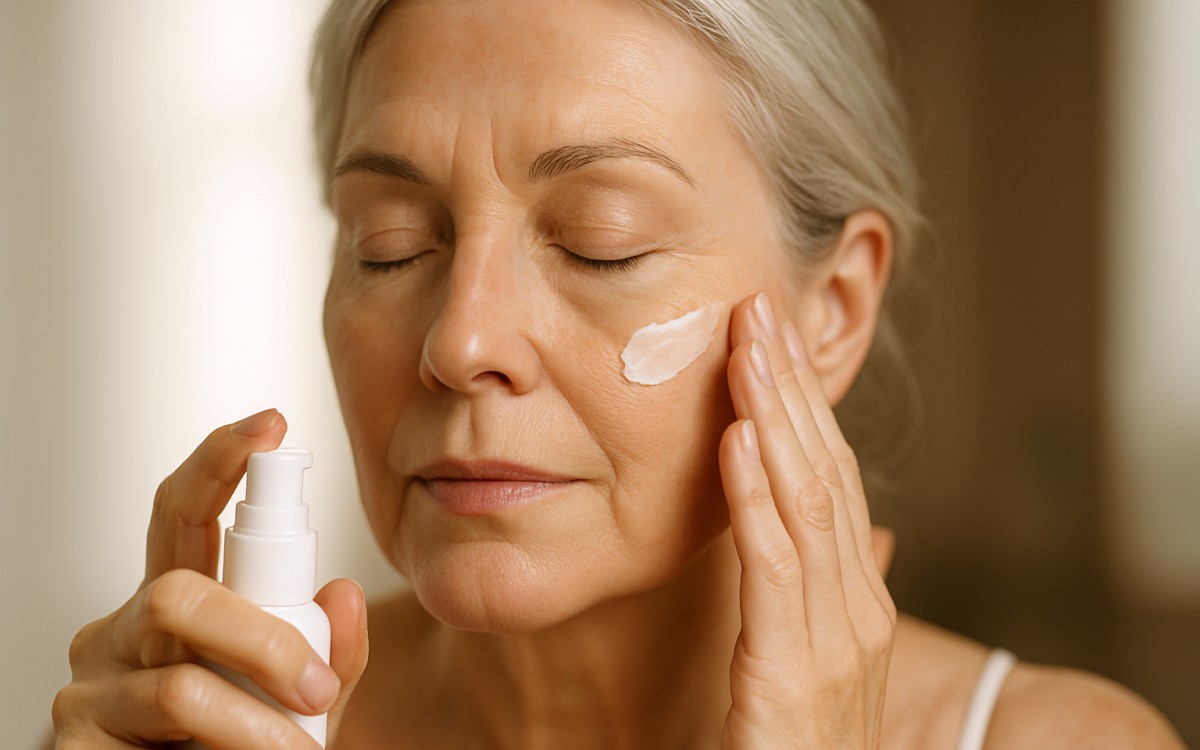
Hydration is the key to achieving a fresh, soft skin, and it should be applied immediately after cleansing or exfoliation. This is because those steps can strip away some natural oils of the skin, so hydrating the skin immediately helps replenish them.
In addition to using a moisturizer, you can use a hydrating sheet mask. These sheet masks can be especially soothing for the skin after exfoliation. Regardless of the method you choose, hydrating is a step you should never skip. Well-hydrated skin provides an ideal base for makeup, allowing it to last longer. This is particularly important for aging skin, as hydrating is an essential tip for making a smooth base for makeup.
When it comes to choosing moisturizers, it is best to opt for water-based variants. They are lighter on the skin. Along with that, choose fragrance-free products, as added fragrances can cause irritation and discomfort to some. When applying moisturizer, gently massage it into the skin in an upward direction, which helps lift sagging skin.
Hydrate the Eyes
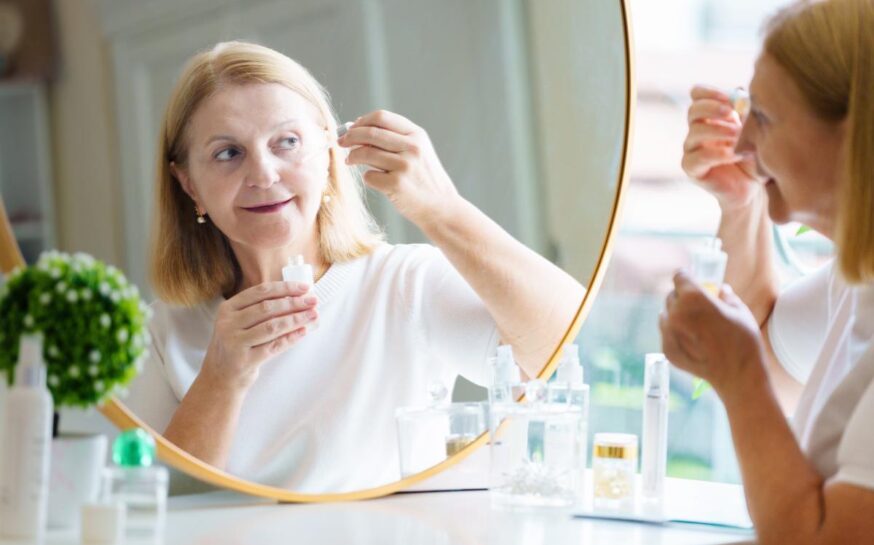
The skin around the eyes is sensitive and often shows signs of tiredness quickly, making it essential to focus on this area during makeup preparation for mature skin. After your moisturizer has settled, apply a small amount of eye cream to the under-eye area. This step will help smooth and hydrate the skin, preventing the concealer or foundation from caking under the eyes. Gently massage the cream into the area with your fingertips, or even better, use a roller for enhanced absorption.
Apply Sunblock
If there’s one rule that never changes, regardless of age, it is to never skip sunscreen. UV rays can speed up skin aging, increase wrinkle depth, and lead to pigmentation. So, using a quality sunblock is essential. A good sunscreen should have an SPF (Sun Protection Factor) of at least 30, and preferably higher.
If your moisturizer already contains SPF 30+, you can skip this step. Otherwise, layer a lightweight, mineral-based sunscreen before starting your makeup routine.
Move on to Primer
Now that your skin is hydrated and protected, it’s time to smooth out its texture and fill the pores to minimize its appearance on the skin. In short, it’s time to use a primer. For mature skin, a hydrating primer stands out as the best option, as It softens the look of fine lines and provides a base for your makeup to hold onto. Also, remember that the best primer for fine lines and wrinkles is one that is free of silicones. Some great options include L’Oréal Paris Age Perfect Blurring Primer, Tatcha The Silk Canvas Primer, and e.l.f. Hydrating Face Primer, among others.
If you’re planning on using mascara, consider using an eyelash primer. It can help add volume and make lashes appear fuller and more defined.
The Foundation
Once your skin is fully prepped, smooth, and hydrated, it’s time to apply foundation—the final step before you add other layers of makeup products. Make sure that less is more, build up the coverage as per your requirement. This will help prevent the base from appearing cakey and unnatural. When choosing a foundation, the key to achieving a natural, even finish is to find the right shade and formula. The best place to test the shade is on your jawline, as this area provides the most accurate match for your overall skin tone.
Additionally, avoid using your fingers to apply foundation; instead, use a sponge or brush for a smooth coverage and application.
The Editorial Team at Modern60 is a group of highly skilled professionals with diverse backgrounds in journalism, content creation, editing, and digital media. They bring a wealth of experience and expertise to ensure that every piece of content meets our strict editorial guidelines and quality standards. The team is dedicated to delivering accurate, well-researched, and engaging content across various subjects, including health, wellness, lifestyle, and current events. With their commitment to upholding the highest standards of journalism and content creation, the Modern60 Editorial Team is the driving force behind our mission to empower and inspire our readers.








There are no comments yet