The simple act of planting, pruning, and reaping the produce allows you to connect with nature, liven up your space, while keeping you active. Gardening can also support your emotional and mental well-being. However, like any other activity, gardening comes with a set of risks. From handling sharp tools to bending, lifting, and spending countless hours outdoors, all of these actions can strain your body if done incorrectly. That said, by following certain safety gardening tips, you can enjoy the process better.
Hazard-free gardening involves more than just using the right techniques—it requires the right set of tools.
When you purchase pruners, shears, or loppers, opt for brands that include safety locks.
Avoid investing in products with form-fitting handles, as they are often designed for a specific hand size. If your hand is bigger or smaller than the tool’s handle, it may cause unnecessary strain.
Always follow the instructions on the manufacturer’s label to the T. This will help you use the tool correctly, right from unboxing to storage after use.
If you have sharp tools, pack them safely when not in use. Also, keep them away from children and pets at all times to prevent unforeseen mishaps.
For electrical tools, remember to unplug them after you’re done using them. Furthermore, disconnect the spark plug wires on gasoline-powered tools when they are not needed.
Use Safety Gloves and Shoes
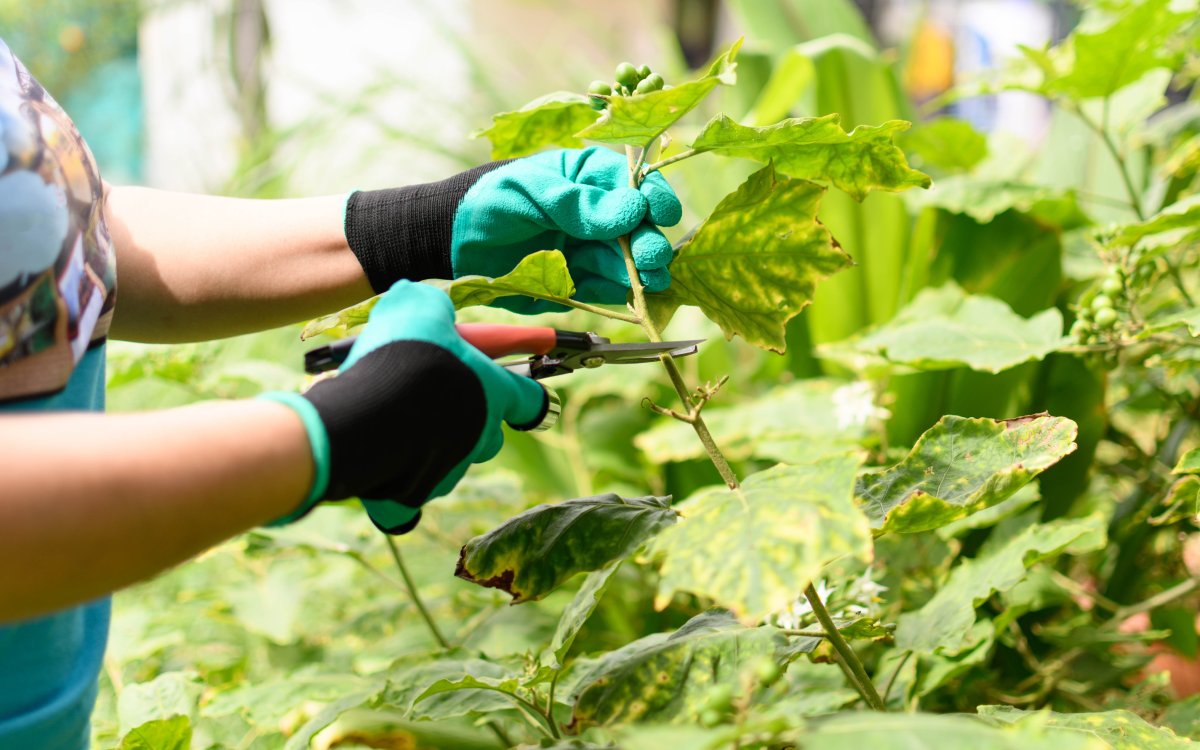
Using the right tools with protective gear can help you complete the activity smoothly. A pair of safety gloves protects your hands from calluses, blisters, and cuts, while wearing supportive shoes can provide a basis for proper posture during your gardening activities.
Gardening, especially outdoors, requires spending time in the sun and being exposed to other environmental elements. So, to shield your skin from harmful UV rays and potential irritants, like insects and chemicals, wear appropriate clothing. Use a wide-hemmed hat to cover your face and ears, and wear long-sleeve shirts along with long pants for added coverage. Furthermore, wear a breathing mask to prevent allergies and block harmful chemical fumes from entering your body.
Avoid Prolonged Repetitive Motions
When working on any activity, including gardening, it’s best to avoid repetitive motions, especially if you’re new to it. For instance, if you are just starting out in gardening, engage in activities like digging, trimming hedges, pruning bushes, and planting seeds, but do so in moderation. Limit your gardening sessions to about 15 minutes and frequently rotate between different tasks. This approach will help you relax your muscles and prevent fatigue, which is essential as you grow older.
Keep Your Posture in Check
Your body position plays a pivotal role in avoiding injuries, aches, and pains while gardening outdoors. For instance, to improve your grip on tools, maintain a relaxed and neutral position for your wrist. A study indicates that you can lose up to 25% of grip strength when the wrist is bent.
Prepare for the Gardening Routine
Before you start the activity, take some time out to stretch your muscles. A quick warm-up stretch can help alleviate tightness from overusing various muscle groups. You can also do light jogging or brisk walking. There are several fitness activities to stay independent and find strenght. After warming up, do some light stretching. You can repeat this routine after you finish gardening as well.
Don’t Bend Too Much
While planting or weeding, get down on your hands and knees instead of bending at the waist. While working in this position, remember to occasionally do a “cat-like” stretch. To perform the stretch, pull in your stomach and raise your back. Simultaneously, lower your head and tuck your chin in toward your chest to avoid straining your neck. Perform this motion slowly and repeat it multiple times, while taking breaks at regular intervals.
When you are dealing with heavy objects, keep a few things in mind.
Before attempting to move an object, assess its weight.
Engage in the right lifting technique. Bend at the knees to lift the object, not at the waist. Using your back to lift can put excessive strain on your back muscles and lead to an injury.
Squat down and let your thigh and arm muscles do most of the work. Position your feet closer to the object and maintain a wide stance to lift the object.
If possible, opt for container gardening, which allows for easier access.
When moving the object, turn your feet instead of twisting your upper body, as it can result in back injuries.
Remember to take frequent breaks to avoid overexertion.
After completing your gardening routine, take a moment to let your body cool down. Once you’ve put away all the tools, allow your muscles to relax. You can try hamstring stretches, neck rolls, and arm circles; these are great for easing muscle tension. You can also build resilience through alternative therapies to positively influence overall wellness. When you’re back at home, apply an ice pack to the muscle groups you use frequently. This helps reduce any swelling and soreness, allowing you to sleep better.
By integrating these safe gardening tips, you can stay safe, avoid injuries, and maintain cognitive health. However, it is also recommended to consult an expert before starting any routine. The professional can tell you which outdoor gardening activities are safe to try out and identify the ones that you should avoid.
The Editorial Team at Modern60 is a group of highly skilled professionals with diverse backgrounds in journalism, content creation, editing, and digital media. They bring a wealth of experience and expertise to ensure that every piece of content meets our strict editorial guidelines and quality standards. The team is dedicated to delivering accurate, well-researched, and engaging content across various subjects, including health, wellness, lifestyle, and current events. With their commitment to upholding the highest standards of journalism and content creation, the Modern60 Editorial Team is the driving force behind our mission to empower and inspire our readers.






There are no comments yet