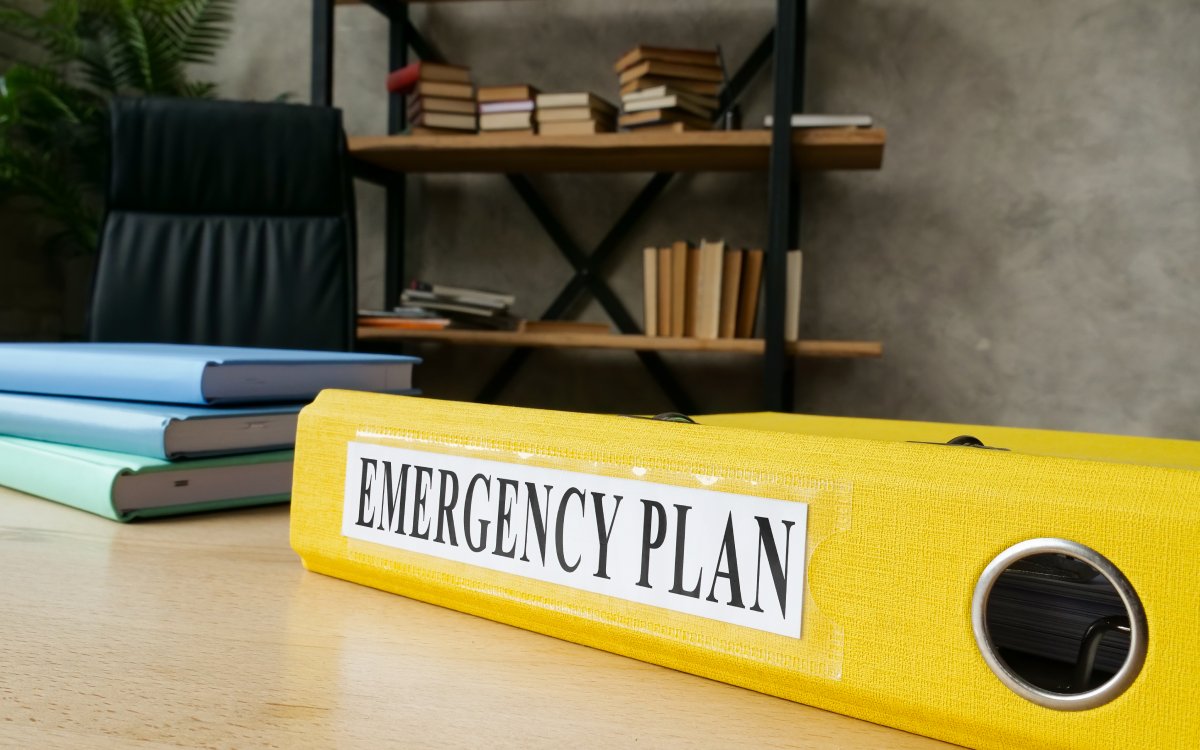
No one wants to think about unfortunate events, and understandably so. But life is unpredictable, and you have to be prepared for any eventuality, for your and your loved ones’ sake. One essential aspect of emergency planning, especially for seniors, is creating an emergency folder. It helps bring important information together in one place. More importantly, it offers clarity and direction during moments that are often stressful, emotional, and time-sensitive.
It is not easy to handle sudden catastrophes, much less get practical about things and take on the responsibilities that follow. In such situations, the last thing your family should have to do is search for important documents, struggle to access savings, or figure out critical details from scratch. Having an emergency folder can save them this struggle. It becomes even more important if you are the one who usually handles major financial or administrative decisions at home.
Things can get even more stressful if you own a business. Your sudden absence, even for a short period, can create confusion or disruption if no one knows where key information is stored. Having everything documented ensures that things do not come to a standstill during unforeseen situations.
This is not only about worst-case scenarios. Suppose you were to take a trip to a country or a place where contact is not exactly easy. If a situation were to arise with your business or finances, your family or trusted ones would need access to documents and data to take care of things on your behalf. An emergency folder would help them do that.
Start with copies of important personal and legal documents. This includes identification papers, like a birth certificate, driver’s license, and Social Security card. Next, gather copies of documents such as insurance policies, wills, powers of attorney, and property-related records to avoid legal and financial hassles. Vehicle titles, home or rental insurance details, and mortgage or lease documents are also important to have in one place. In situations like medical emergencies, legal proceedings, or property matters, having these documents readily available can save valuable time and prevent unnecessary stress. Also, in the section of the folder or binder where these documents are, add a simple cover sheet listing the documents inside.
Emergency Contacts
In an emergency, decisions often need to be made fast. Having all the right phone numbers and email addresses in one place would be immensely helpful to your family. So, the next thing your emergency folder should have is a well-thought-out list of contacts. This includes close family members, trusted friends, neighbors, and anyone who may need to be reached quickly in emergencies. It is also crucial to include the contact details of family doctors, specialists, lawyers, and schools.
Financial Data
Financial details are not limited to documents alone. For complex situations, you may also need to jot down a list of instructions for certain accounts and investments. You also need to include information related to tax returns, property deeds or leases, mortgage paperwork, bank statements, and investment records. Make sure you don’t miss listing all your income sources, including pension accounts.
Medical Information
Medical emergencies may require you or your family to contact more than just doctors and specialists. This is why you need to include copies of your medical insurance cards to safeguard your and your family’s finances in such situations. Apart from this, noting down a list of ongoing treatment options along with dosage instructions is also important. Additionally, do not forget to list information about allergies, food preferences, dietary restrictions, and precautions that need to be taken. These are among the most crucial aspects of creating a family preparedness plan, especially for older adults.
You are often told not to share your passwords and to take the right measures to secure them. However, when creating an emergency folder, listing important passwords is essential. This is because a huge chunk of your life, finances, and data lies in the digital world, with passwords being the key to accessing them. So, in your emergency folder, include a list of accounts your family might need access to in your absence, and provide clear instructions on how to access those passwords securely, whether through a trusted password manager or a safely stored master key.
Tips to Secure and Maintain Your Folder
Store it Properly
Your emergency folder needs to be stored securely, but also in a way that it remains accessible to the right people. Start by keeping it in a fireproof, waterproof box, then tuck it in a locked file cabinet. Make sure your spouse, adult children, or a trusted friend knows exactly where it’s kept. But at the same time, also remind them to handle the information discreetly. This folder is meant for emergencies, not everyday access.
Create a Digital Copy
It is always wise to have a digital backup of your emergency folder, just in case something were to happen to your physical copy. Scan important documents and store them in an encrypted cloud folder or on a password-protected USB drive to add an extra layer of security.
Keep Updating the Folder
An emergency folder isn’t something you set up once and store away. Since it contains almost all your essential information, it needs to be reviewed at least once a year to ensure all data is accurate and relevant. Also, whenever there’s any change, such as switching your insurance provider or moving house, update the folder accordingly.
The Editorial Team at Modern60 is a group of highly skilled professionals with diverse backgrounds in journalism, content creation, editing, and digital media. They bring a wealth of experience and expertise to ensure that every piece of content meets our strict editorial guidelines and quality standards. The team is dedicated to delivering accurate, well-researched, and engaging content across various subjects, including health, wellness, lifestyle, and current events. With their commitment to upholding the highest standards of journalism and content creation, the Modern60 Editorial Team is the driving force behind our mission to empower and inspire our readers.






There are no comments yet