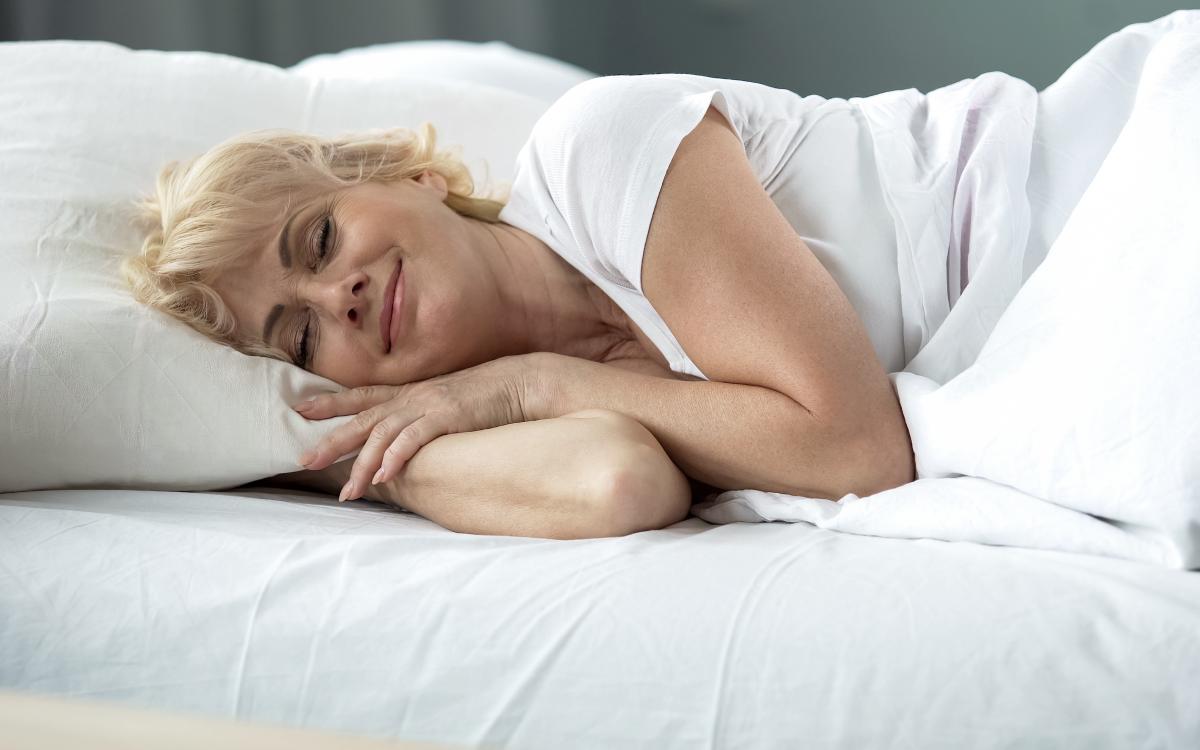
As you age, your skin undergoes several changes. For instance, it becomes drier, thinner, and more prone to spots and pigmentation. Its elasticity also decreases, allowing fine lines and wrinkles to form. While these changes are perfectly normal, you can slow them down and make them less noticeable. One way to do that is to sleep well. Good quality sleep helps repair the skin and reduce the signs of aging to an extent.
The signs of aging on the skin, such as wrinkles and fine lines, are inevitable as you grow older. However, lack of sleep can increase their appearance and also lead to several other skin problems:
Drooping or hanging eyelids
Dark circles below the eyes
Paler than usual skin
Skin that takes longer to heal
Increased skin Inflammation
Impaired skin barrier function
How Sleep Affects Skin Health?
Sleep and skin repair are closely linked. Once you fall into deep sleep, the body performs several processes that rejuvenate and heal the skin.
Reduced Wrinkles
Your skin is made up of many proteins, but elastin and collagen are among the most crucial ones. These two proteins help keep your skin flexible and elastic, reducing the appearance of wrinkles. When you don’t sleep enough, your immune system becomes weak, and the levels of elastin and collagen drop. Consequently, your skin no longer remains as elastic as it was before, which leads to the development of wrinkles. Sleeping for at least eight hours regularly will balance collagen levels, leading to better skin nourishment and fewer visible wrinkles.
Dryness, roughness, and flakiness are common issues in old age that dull the complexion of your skin. These issues generally occur because your skin loses hydration quickly. An effective way to keep your skin hydrated is to get a good night’s sleep. When you sleep well, blood flow to the skin increases, delivering nutrients and oxygen that support cell hydration. And as your skin becomes hydrated, its complexion improves.
Fewer Breakouts
Breakouts can occur at any age and affect anyone. A common trigger for breakouts, like blackheads and pimples, is stress. Now, many factors can trigger stress, a lack of sleep being one of them. If your skin is prone to breakouts, try to get a good night’s sleep and relax to see if the problem persists.
Dark Circle Reduction
Dark circles appear when the blood vessels beneath the thin eye area become more visible, mainly due to a lack of sleep. Good quality sleep of at least eight hours each night can help manage this problem. Sleep helps curb fluid buildup or puffiness under the eyes and lessens the appearance of tiredness. When you sleep, remember to prop up your head with extra pillows. Doing so can prevent swelling and improve circulation, which will further contribute to diminished under-eye shadows.
Skin That Heals Faster
During sleep, your skin enters its natural repair phase. Circulation improves, bringing oxygen and nutrients needed for cell regeneration and healing. As a result, your skin recovers from regular damage. Collagen production also increases, maintaining skin elasticity and smoothness, while reducing the appearance of wrinkles and fine lines. Proper sleep further strengthens your skin’s barrier and helps it retain moisture and fight irritation.
Stronger Scalp and Hair
High levels of cortisol, often caused by stress, inhibit hair follicle function and disrupt the normal hair growth cycle. As good sleep helps lower stress, cortisol levels are reduced, which supports healthy hair growth and helps prevent issues such as premature shedding and hair thinning.
Skin rejuvenation during sleep is a natural process. However, many people complain that quality sleep is hard to come by. If you struggle sleeping well at night, a few anti-aging sleep tips may help.
Follow Consistent Sleep Cycles
Wake up and go to bed at the same time each day. This doesn’t just mean weekdays only. You need to maintain the schedule even on weekends for the best results.
Maintain a Peaceful Sleep Environment
You can get good sleep if the environment is sleep-friendly. A room that is dark, quiet, and cool will promote better quality sleep. You can even use accessories that reduce noise and light distractions, such as earplugs or blackout curtains.
Exercise Regularly
Exercise makes it easier to fall and stay asleep. But exercise at the right time. Working out right before bedtime may increase your heart rate, making it harder to doze off.
Relax in the Evening
A quiet nighttime routine is always beneficial in calming your body and preparing for sleep. Take a bath, read a book, or engage in another relaxing activity to help your mind and body unwind.
Put Away Electronics
For quality sleep, avoid staring at smartphones, TVs, and computers in the hours leading up to bedtime. Displays emit blue light that can make it difficult to fall asleep.
The Editorial Team at Modern60 is a group of highly skilled professionals with diverse backgrounds in journalism, content creation, editing, and digital media. They bring a wealth of experience and expertise to ensure that every piece of content meets our strict editorial guidelines and quality standards. The team is dedicated to delivering accurate, well-researched, and engaging content across various subjects, including health, wellness, lifestyle, and current events. With their commitment to upholding the highest standards of journalism and content creation, the Modern60 Editorial Team is the driving force behind our mission to empower and inspire our readers.








There are no comments yet