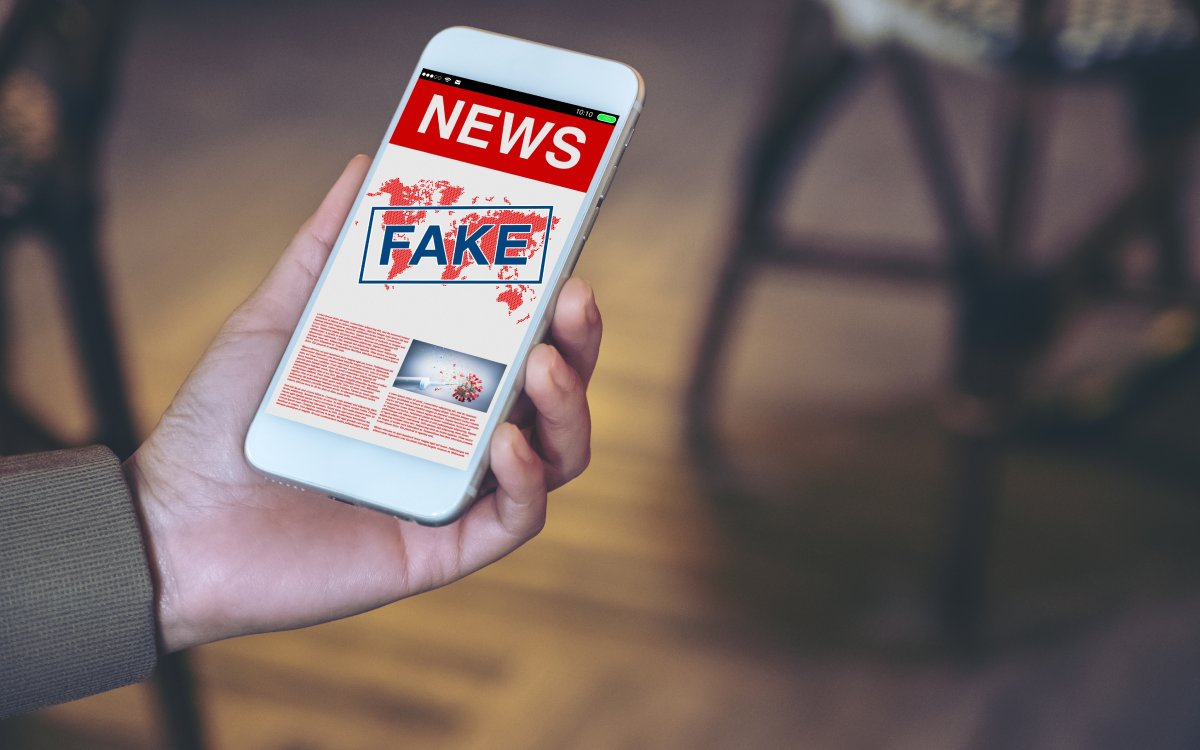
The internet is a great resource for education, entertainment, and such. It is also a hub for information, but a lot of times that information is not always accurate. There is a dark side to the internet, and it is fraught withscams targeting seniors, misinformation, and fake news. So, how do you know what you are reading is accurate and not meant to rage-bait (attempting to intentionally provoke) you? Following a few tips and increasing your digital awareness can help you fix this issue and detect fake news.
Seniors are more likely to consume news and forward messages, making them frequent targets of misinformation. Additionally, their past reliance on traditional, trustworthy media can make it difficult for them to spot digital manipulation. Scammers are well-versed in tailoring messages to feel relatable and urgent, especially on topics related to health, safety, and community. To avoid falling prey to misinformation, here is what you can do:
Check the Source Before the Story
The first tip in recognizing misinformation online is to check where the information came from. Ensure that the website is trustworthy, transparent, easy to verify, and free from gimmicky or sensational language. You can check if news outlets have a proper “About Us” section and verifiable contact details. Also, be mindful of an unfamiliar URL or misspelled website names. You should avoid sites with intrusive ads or dramatic colors, as these are indicators of low credibility.
Confirm the Author or Writer’s Credibility
An online article can look well-polished, but not all of them are written by competent journalists or even real people. Some might be created by bots or anonymous users with malicious intentions. This is why you must take a moment to verify the author or writer. Verifying the author helps ensure the information comes from someone trustworthy and experienced. Look for a named author. Reliable articles usually state who wrote them. Also, look up the author online. A quick online search can reveal their background, previous work, and whether they write for reputable outlets. You must also be cautious of anonymous posts where the writer is not identified or only appears on one unknown website.
While AI technology has become quite advanced, it has also become a tool for generating fake articles, photos, and videos. The scary part is that they look surprisingly real. However, AI-generated pieces often have minor inconsistencies that can give them away. For example, if you look at the writing, it can feel repetitive or oddly perfect. Even images may contain inconsistent details, such as unnatural-looking hands, eyes, or shadows. Coming to videos, they may have mismatched mouth movements or inconsistent lighting. Social media apps and other bodies are making it mandatory for AI content to include AI information to help users differentiate real and AI-generated content.
Strengthen Digital Tools
Digital tools are one of the easiest ways to stay safe online and reduce your exposure to misinformation. Just as you would set up security upgrades for your home, you also need to enable security features on your devices and apps. For instance, browser extensions help you quickly see whether a website is trustworthy, while antivirus and ad-blocking software protect you from scam pop-ups and harmful links. Even everyday apps offer support; for instance, some apps come with a label for “Forwarded Many Times” that warns you when a message is spreading too widely. Fact-check notifications help flag misleading posts before you believe or share them.
Distinguish Ads From News
You may come across articles online that are usually convincing enough to make you want to buy a product or service. However, several online advertisements are designed to look like real news articles. This makes it easy for you to mistake them as trustworthy information, while their true purpose is to sell you something, not to educate or inform.
However, you can easily make out ads from the news. Look for words like “Sponsored,” “Promoted,” or “Partner Content.” Such types of articles also make tall promises, from magical quick fixes and miracle cures to false claims. Additionally, overly positive language that lacks an unbiased perspective is a strong indication of misleading content.
Fake news often spreads quickly because it is designed to trigger strong emotions, such as fear, anger, or urgency. If a message makes you feel pressured or compelled to act immediately, be wary. This could be a sign of emotional manipulation. Some red flags to look for, whether it is for shopping or donations, include dramatic statements such as “Share immediately!” Some stories may even try to shame or scare you into taking action. So, any article, news piece, or message that feels unnecessarily triggering and overly urgent may be misleading.
The Editorial Team at Modern60 is a group of highly skilled professionals with diverse backgrounds in journalism, content creation, editing, and digital media. They bring a wealth of experience and expertise to ensure that every piece of content meets our strict editorial guidelines and quality standards. The team is dedicated to delivering accurate, well-researched, and engaging content across various subjects, including health, wellness, lifestyle, and current events. With their commitment to upholding the highest standards of journalism and content creation, the Modern60 Editorial Team is the driving force behind our mission to empower and inspire our readers.






There are no comments yet