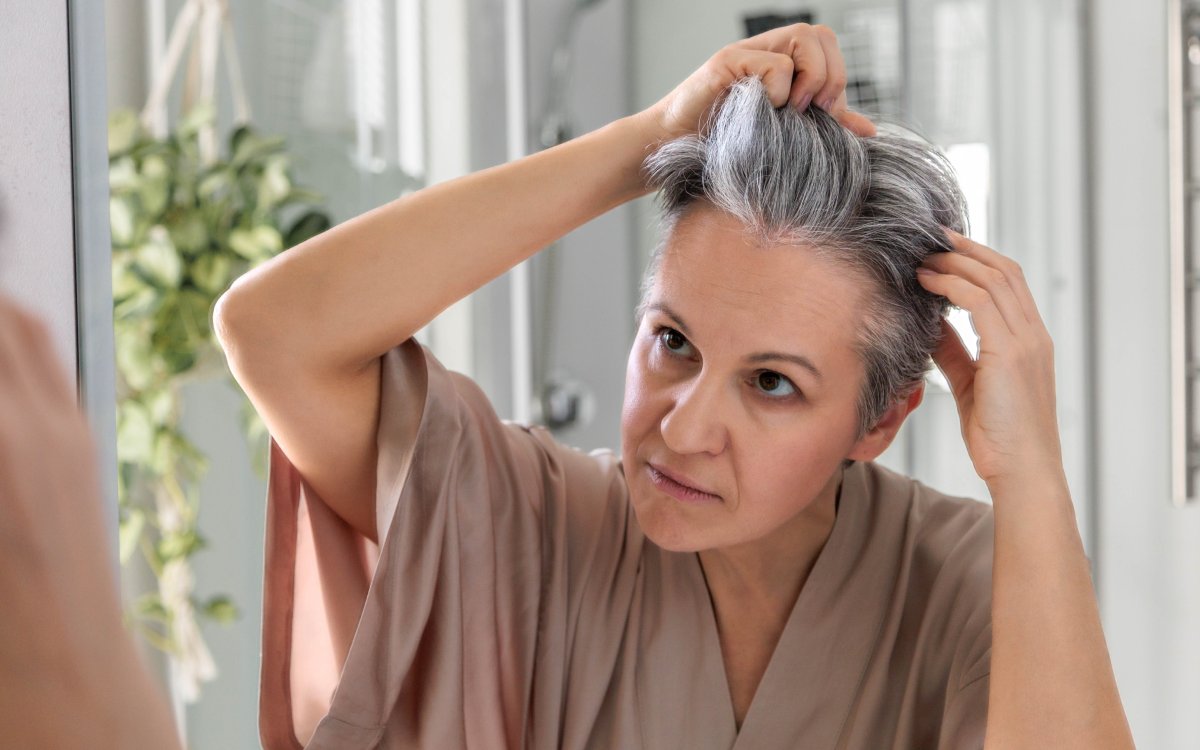
Your hair undergoes many changes as you grow older. More often than not, it becomes drier and thinner and begins to turn gray. These changes can occur for different reasons, such as hormonal fluctuations in the body, shortening of hair growth cycles, and reduced sebum production by the scalp. Fortunately, there are ways to nurture your hair and ensure it remains healthy, no matter what stage of life you are in.
Science Behind Changing Hair
You can take better care of your hair when you know the science behind how it grows.
Hair Structure
Hair grows from the hair follicle, which is present right beneath your skin’s surface. The follicle is like a living structure under your skin that works like an anchor for your hair. This is where new cells form and harden to create the hair shaft. The hair shaft is the visible part of your hair, made up of three layers:
- Cuticle
This is the outer protective layer that you can clearly see. It is made up of overlapping scale-like cells that protect the inner layers and give your hair its natural shine.
- Cortex
This is the middle and thickest layer, made up of keratin fibers. The cortex gives your hair strength and elasticity. It also has pigment, which gives your hair its natural color.
- Medulla
This is the innermost core of the shaft. It consists of loosely packed cells and air spaces. Finer hairs rarely have a medulla.
Hair Growth Stages
Hair growth typically occurs in four stages: anagen, catagen, telogen, and exogen. These four stages together form a hair growth cycle, which keeps repeating throughout your lifetime.
- Anagen
This is the active growth phase, lasting 2 to 7 years. In this phase, hair actively grows from the follicle.
- Catagen
This is a short phase that lasts about 2 to 3 weeks. During this time, hair growth slows down as the blood supply to it is cut off.
- Telogen
This is the resting phase in which hair growth stops completely and the scalp prepares for new growth. It lasts for about 3 months.
- Exogen
In the final stage, the old hair is shed, and new hair begins to grow in its place.
What Changes Over the Years and Why
As you age, your body undergoes many changes that affect your hair:
- Hormonal changes in old age affect how thick your hair is, how fast and densely it grows, and how much of it you shed. It also affects hair texture, making it straighter, curlier, or more wiry.
- Your hair’s natural color comes from cells that produce pigment. Over time, these pigment-producing cells slow down and stop working. This leads to a loss of color, causing the appearance of gray or white hair.
- Changes in the cuticle along the hair shaft make gray hair feel coarser or drier. This dryness worsens with age as the scalp produces less sebum.
Building a Haircare Routine
Despite natural bodily changes, it is still possible to have stronger and radiant hair in your senior years. All you need to do is follow a haircare routine tailored specifically for your needs. Your routine does not have to be complicated. Adopting a few simple habits and making small changes are often more than enough to keep your hair healthy, shiny, and strong. There are many easy routines you can build into your daily, weekly, and monthly schedule.
Daily Habits
A few things, when done every day, can help prevent hair damage and promote overall hair health. Daily routines can help you manage common issues, such as dryness, thinning, and breakage, that usually result from daily wear and tear.
- Detangle
Start your day by detangling your hair—beginning from the ends and working your way up. You can use a wide-tooth comb or a soft brush to avoid breakage.
- Moisturize
Whenever your hair feels dry, apply a leave-in conditioner or a lightweight oil to the ends to lock in moisture and reduce frizz.
- Wear a Gentle Hair Style
Whether you are stepping outside or staying indoors, avoid styles that pull on your hair.
- Protect Your Hair from the Sun
UV rays can damage the cuticle and break down the protein keratin that gives strength to your hair. They can also strip away moisture and natural oils. So, whenever you step out, protect your hair and scalp from the sun by wearing a hat, cap, or scarf.
Weekly Regimen
Weekly routines provide deeper nourishment and repair that daily routines may not offer. You can maintain better scalp health, prevent hair damage, and promote long-term hair growth with these practices.
- Cleanse
Wash your hair one to three times a week, whichever frequency works well for you, depending on your lifestyle and scalp health. For instance, if you have an oily scalp, washing it three times a week can help. But if you have a dry scalp, washing it thrice a week can worsen dryness. While cleansing, make sure you use a shampoo that is compatible with your hair and scalp and has nourishing ingredients. For dry hair and scalp, look for shampoos with hydrating ingredients, such as hyaluronic acid or ceramides.
- Wear a Mask
Once a week, use a hydrating or strengthening hair mask, especially if your hair is dry or color-treated. A mask can boost moisture and protect your hair from external damage.
- Massage the Scalp
Set aside one night every week for a gentle scalp massage using nourishing serums and oils. A massage can boost circulation and improve hair health.
Monthly and Seasonal Maintenance
There are also certain steps you would need to take on a monthly or seasonal basis for good hair health.
- Have your hair trimmed every 6 to 10 weeks to manage split ends.
- Consult with your hairstylist every few months to check if your current cut and color still suit your hair’s texture and density. Ask them to make tweaks whenever needed.
- Whenever the weather changes, make sure you adjust your products and haircare routine accordingly. This can mean applying more moisture and UV protection in summer and richer, anti-static options in winter.
Scalp Health Essentials
For healthy hair, it is important to take care of your scalp as well. You must treat the skin on your head the same way you treat your face, by cleansing it gently. Remember, a healthy scalp provides a healthy base for stronger, shinier strands.
Everyday Scalp-Care Habits
If not cleaned regularly, the scalp can become covered with a thin layer of product residue, excess oil, and dead skin buildup, which can make it feel greasy. As a result, your hair may look flat, dull, or prone to weighing down. By keeping the scalp clean and balancing moisture, your hair can look fuller, lighter, and more vibrant from root to tip. There are a few things you can do daily to take care of your scalp:
- Pick a gentle shampoo with a proper pH balance. But ensure the product is suitable for your scalp. This means choosing a hydrating formulation for dryness, a clarifying but not harsh formula for oiliness, and soothing formulas for a sensitive or flaky scalp.
- While cleansing, massage your scalp with light, circular movements. This can improve circulation, remove buildup, and help the shampoo or treatments spread evenly. You can either use your fingertips or use a shampoo massage brush.
- Whenever you experience itchiness, tightness, mild shedding, or dryness, consider using scalp tonics or serums. Sometimes, even simple options like castor oil can offer relief and improve hair growth.
Signs to Watch For
Your scalp may give you certain signs when you need to take extra care of it. In some cases, you might need to consult a professional, such as a dermatologist, to treat your scalp.
- Itching
Persistent itching, burning, or pain that does not go away, even with gentle care.
- Hair Loss
Sudden and patchy hair loss or areas that look scaly, crusted, or inflamed.
Managing Dry, Frizzy, and Brittle Hair
Dryness, frizziness, and brittleness can sneak up on you slowly. But the good news is that it is never too late to manage these problems. All you need is a few simple tweaks and gentler routines so that your hair can look softer, smoother, and more flexible again.
Why Hair Gets Drier Over Time
Sebum travels down the hair shaft, coating and nourishing each hair strand. Over time, however, the scalp produces lesser amounts of this natural oil. This is why you may feel your hair’s mid-lengths and ends a bit rough, dull, and more prone to splitting. But a lack of sebum is not the only reason for dry hair. Things like heat styling, coloring, highlights, chemical treatments, and prolonged sun exposure can wear down the cuticle over time, making it dry and rough. When the hair is dry, it can no longer retain enough moisture, making it look frizzy, tired, and fragile.
Tips to Boost Moisture and Tame Frizzy Hair
- Use sulfate‑free and gentle shampoos along with richer conditioners that have emollients to soften and repair your hair.
- Hydrate your hair in layers. For example, use a rinse‑out conditioner in the shower, follow up with a leave‑in cream or spray, and add a drop of oil on the ends whenever needed.
- While cleansing your hair, turn the water temperature down a bit.
- Avoid vigorous towel‑rubbing while air drying your hair. Instead, blot out the excess water with a microfiber towel or a soft old t‑shirt.
- When blow-drying, curling, or straightening, use a heat protectant to create a shield between your hair and the high temperature. Also, use lower‑heat settings with fewer passes to style just enough without damaging the hair cuticle.
- Use brushes and combs, like boar-bristle brushes, that glide through your hair without snagging or breaking it.
Routines to Strengthen Hair
Using haircare products alone is not enough if you want fuller-looking, stronger hair. You would also need to get the right cut, follow styling habits diligently, and take advantage of a few treatments and techniques to support the hair you already have.
How to Create a Fuller Look
The first thing that can give your hair a thicker and fuller look is the right haircut. Options like the pixie and blunt bob are excellent for adding volume to your hair. This must be followed by proper blow-drying. You can lift the hair at the roots with a round brush or your fingers and then direct the air upwards to build volume. But make sure you dry in sections, as this adds more volume to the lengths. You can further use lightweight volumizing products, such as mousses, foams, or root‑lift sprays, so that each strand of your hair plumps up without looking stiff or dry.
Supporting the Hair You Have
Many treatments and techniques can help support and strengthen your hair from the inside. Protein-containing masks and reconstructive treatments, for instance, can help treat weak or stretchy hair. But these techniques work well only when used occasionally, not daily. Using them every day can make your hair stiff or brittle. If your hair is colored, highlighted, relaxed, or permed, you can use bond‑repair masks with strengthening formulas to manage the internal damage. These masks can make your hair smoother, increase its elasticity, and reduce brittleness.
Choosing Styles That Complement Changing Hair
The right hairstyle can add volume to your hair, protect it from damage, and make styling easier and more fun.
- Ask your stylist for haircuts that suit your current hair density and texture. This will help your hair fall naturally with volume.
- Consider face-framing layers and soft bangs. These can highlight the areas around your eyes and cheekbones, enhancing your natural facial features.
- If you have fine hair, avoid very heavy and blunt ends that drag everything down. Instead, opt for softer, feathered edges to make your head appear fuller.
- To minimize stress on your strands and hairline, pick low-tension styles, such as loose braids, soft buns, and relaxed waves. Skip very tight ponytails, slicked-back styles, and heavy extensions, especially for daily wear. These pull on the follicles, causing more breakage.
- If you have straight hair, focus on lightweight volumizing products, root lift, and minimal heavy oils to prevent your hair from looking flat.
- If you have wavy hair, consider using curl creams or mousses and air-drying or diffused-drying. This can give you soft and defined waves without any crunch or stiffness.
- If you have curly and coily hair, use moisture-rich leave‑in conditioners and creams with twist‑outs or braid‑outs to define curls instead of heat styling every day.
- Use accessories like scarves, clips, claw clips, and soft headbands to style your hair instead of heat styling, which might cause further damage.
Nutrition and Lifestyle for Healthier Hair
Even before you pick up a shampoo bottle or any other haircare product, you have to make certain nutritional and lifestyle changes for a healthy scalp and hair. From what you eat to how you move, sleep, and manage stress, everything matters.
Hair As Part of Overall Health
Your hair health is linked to your overall well-being. Factors like chronic stress, poor sleep, and very low activity levels can push more hair into the shedding phase, leaving strands looking dull over time. Similarly, certain health conditions can affect the thickness, texture, and growth patterns. So whenever you notice any sudden or dramatic changes in your hair, make sure you mention them to your doctor during your regular check-ups. This can help to uncover issues like hormonal shifts, low iron, and other nutrient gaps that are better addressed early than ignored for later.
Nutritional Building Blocks
Hair is generally made of protein, so your body needs enough high‑quality protein to keep building stronger strands. Along with this, minerals like iron and zinc, B vitamins (including biotin and B12), vitamin C, and omega‑3 fats are required for healthy follicles and the production of the hair’s structural components. You can improve your hair’s health by simply eating enough nutrient-dense foods.
- Lean meats, poultry, fish, eggs, tofu, lentils, beans, and Greek yogurt are rich sources of protein and iron—essential nutrients for hair strength and shine.
- Leafy greens, beans, and fortified grains are additional sources of iron and certain B vitamins.
- Nuts, seeds, and olive oil have healthy fats. Walnuts, flaxseed, and fatty fish like salmon, tuna, and sardines are particularly loaded with omega‑3s.
Colorful fruits and vegetables, such as berries, bell peppers, and broccoli, have vitamin C. This vitamin helps your body use iron and supports collagen production, both of which support hair growth.





There are no comments yet