Many people hesitate to exercise regularly due to concerns about injury, wellness, cost, or being alone in their efforts. Those feelings are completely understandable. But exercises don’t have to be complicated or demanding. Instead, think of it as gentle movements integrated naturally into your day. Even things like getting mail, walking, gardening, or doing household chores are movements. Such low-impact activities help you find strength and balance and improve your overall well-being.
Low-impact Movement Ideas to Feel Energized and Free
Plan hiking trips
A gentle hike will give you fresh air, beautiful scenery, and steady movement without feeling demanding. It does not always mean steep mountains or long trails. You can choose shorter routes, walk during cooler hours, and bring a friend or family member for safety and companionship. Many local parks and nature reserves have smooth, well-marked paths that you can explore. Remember that the goal is to simply enjoy nature, not the distance or speed.
Walk Wherever Possible
This is one of the easiest ways to add movement into your day without any extra planning. For example, you can:
Walk around the living room during commercials or while watching a favorite show.
Aim for short 10-minute walks before breakfast, after lunch, or before dinner, and build a habit.
Opt for the stairs instead of the elevator or escalator whenever possible.
Choose a parking spot at the end of the lot to add extra steps.
If distance allows, walk to and from the grocery store whenever possible.
These short, everyday walks improve circulation, support heart health, and help maintain mobility.
There’s something beautifully freeing about dancing. It can lift your spirit, awaken your body, and bring movement into your routine without feeling like effort. You can join a community dancing group, attend an online Zumba class, or simply groove to your favorite music in your living room. And there is no right or wrong way to move. The goal is to make every step or twist count. Even slow, gentle dancing will help keep your joints flexible and muscles active. Many senior centers and local programs offer low-impact dance classes that focus on balance and fun rather than choreography.
Yoga
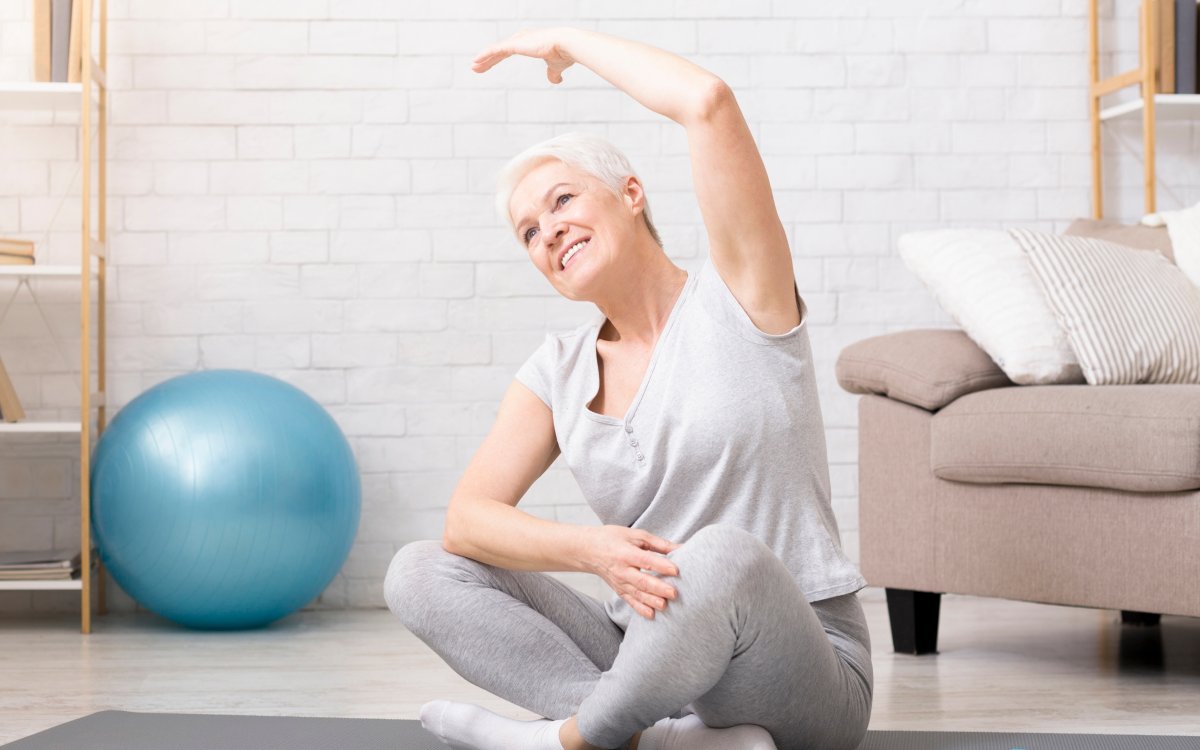
This mind-body practice can be peaceful, grounding, and supportive for the body. Chair yoga or restorative yoga can help improve flexibility, reduce stiffness, lower the risk of falls, and enhance balance. Over time, yoga will help you feel more relaxed, steady, and connected to your body.
Things to Consider to Make Movement Part of Your Routine
Small Steps Matter
Start with small, realistic goals that you can consistently work on. These could be stretching your arms and legs every few hours, walking around the home for 5 minutes, standing up and sitting down 3 times in a row, or simply doing some ankle circles while watching television. These tiny movements will also gently wake up the muscles that support balance and mobility.
Enjoy What You Do
The easiest routine to maintain is the one you genuinely enjoy. When you add activities you enjoy to your routine, movement feels more like a hobby and less like a chore. It also increases your odds of reaching your goals. You can even include exercises you once enjoyed but had to stop due to time constraints. These could include nature walks, low-impact dancing, cycling, swimming, Tai Chi, and gardening. If you are not a fan of traditional workouts, that’s perfectly fine. Instead of treadmill runs or floor exercises, you can try yoga or chair exercises.
Exercises don’t always have to take up a big part of your day. In fact, when you keep your sessions short, you might end up enjoying the exercises that would otherwise be overwhelming. For example, instead of a 30-minute routine, you can try walking or stretching for 5-10 minutes two or three times a day. You can also link your movement plan to your everyday habits. For example, right before meal time, practice 3-4 light stretches or a 5-minute walk. Do gentle heel raises while the kettle is boiling, stretch or march in place during TV commercials, or simply stretch your neck and back to release tension before you go to bed.
Work on Balance and Strength
Strength and balance are important to move with confidence and independence. And you do not necessarily need equipment to improve these. Simple movements alone can work wonders. Use a sturdy chair to practice sit-to-stand movement and strengthen your legs. Light toe taps can help with balance. Start with these when you are standing up and have a counter or a surface to hold on to. Side leg lifts help stabilise and support your hips, while wall push-ups strengthen your arms. Take it at a pace that is comfortable for you. If a movement feels unpleasant, pause. Listening to your body keeps you safer and more relaxed. Remember, balance and stability come from patience, not pressure.
When To Check With Your Doctor
If you have joint problems, chronic conditions, or balance issues, check with a healthcare provider to create and follow a safe, appropriate routine for your needs.
The Editorial Team at Modern60 is a group of highly skilled professionals with diverse backgrounds in journalism, content creation, editing, and digital media. They bring a wealth of experience and expertise to ensure that every piece of content meets our strict editorial guidelines and quality standards. The team is dedicated to delivering accurate, well-researched, and engaging content across various subjects, including health, wellness, lifestyle, and current events. With their commitment to upholding the highest standards of journalism and content creation, the Modern60 Editorial Team is the driving force behind our mission to empower and inspire our readers.




There are no comments yet