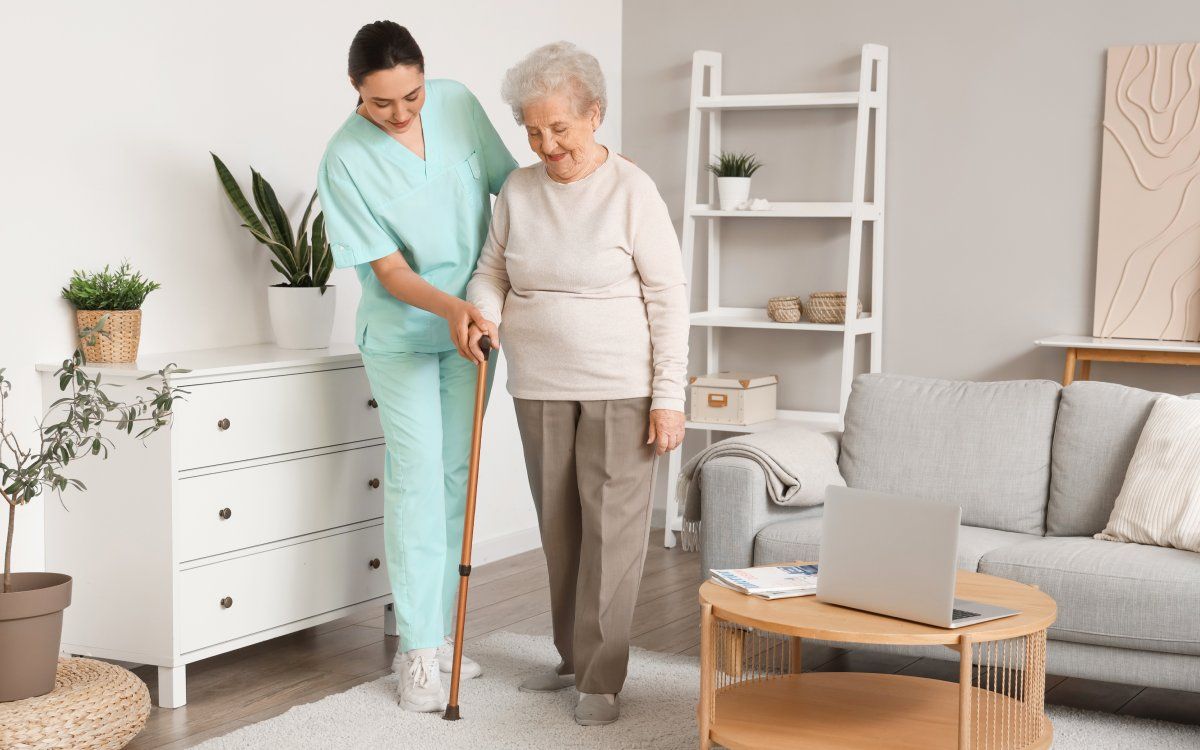
There’s peace and a sense of freedom in living alone. You have the flexibility to set your own routines and decorate your space as per your personal tastes. But after a certain age, it becomes important to prioritize your safety and security to maintain an independent lifestyle. The first step in this process is to safeguard your living space. By making a few thoughtful adjustments, you can make daily movement easier, reduce small risks, and preserve your comfort and confidence.
Living Room
Arrange Furniture Properly
Take a moment to assess the placement of your furniture. Ensure there is enough space between the pieces to allow easy movement through the room without bumping into anything or having to sidestep. If the space is too limited, consider rearranging the furniture to create a more open and accessible layout.
Secure the Rugs
Rugs can enhance the warmth and aesthetics of a space, but they often slide or curl at the corners, posing a safety hazard. To prevent accidents, it is essential to install non-slip backing under the rugs and secure the edges and corners to avoid tripping risks.
Secure the Wires
Televisions, speakers, and home theater setups often come with a bunch of wires. When left loose and untidy, they can turn into tripping hazards. So, to ensure safety in your walking areas, gather any loose wires and secure them together. Guide them along the wall or corners to keep your pathways clear and safe.
Affix Grab Bars
If your living room has areas that lack sufficient support for walking, consider installing grab bars around the room. Identify the locations along the walls where these bars would be most helpful. Although they are simple additions, grab bars can be highly effective in preventing falls at home.
Invest in Smart Home Systems
Smart home systems have made life much more comfortable and safe. Smart thermostats, for instance, can save you a surprising amount of effort. Instead of getting up repeatedly to adjust the temperature, you can make changes directly from your phone or through a simple voice command. This not only adds convenience but also enhances safety in your daily routine.
Likewise, you can also invest in smart video doorbells. A video doorbell allows you to quickly see who is at the door without having to walk all the way to it. Most of the models even come equipped with a two-way communication system, enabling you to talk to the person outside without opening your door.
Bedroom
Install Bed Rails
Bed rails provide additional support when getting in or out of bed. They help make the first few steps feel more stable, especially upon waking up. So if your bed doesn’t already have them, consider adding bed rails to improve your safety.
Install Smart Lighting
Motion-sensor lights turn on automatically when they detect movement. This means you no longer need to fumble for switches in the dark. Your room just lights up when you need it, making nighttime trips to the bathroom much safer.
Invest in a Bedside Table With a Charging Station
A bedside table serves more than just a convenient storage option; it also enhances your safety. By keeping essential items like your phone, glasses, and a bottle of water within arm’s reach, you can access them during the night. In fact, having an electrical outlet close to the table, you can charge your phone while ensuring it remains accessible.
Use a firm mattress
A firmer mattress gives you better back support when getting up. It doesn’t sink too much, making it easier and controlled to access the bed.
Kitchen
Install Smoke and Carbon Monoxide Detectors
Functional detectors like smoke alarms are essential in any kitchen, as they promptly alert you to any cooking mishaps in real time. Carbon monoxide detectors are equally important, as they protect against the threat of odorless and toxic gas spread.
Clean the Kitchen Vents Regularly
An essential aspect of maintaining safety in the kitchen is getting the vents cleaned regularly. Clean vents help let out heat, smoke, and fumes more effectively, which further keeps your kitchen air fresh and reduces the chance of carbon or soot buildup.
Store Items Smartly
Keep the items you use most often at waist height. This way, you won’t have to bend down too low or reach too high, reducing the need for step stools. It’s a simple hack that can help you maintain independence in the kitchen.
Hallway
Install Handrails
Handrails along the hallway provide a steady support to hold on to, especially if you sometimes feel unsure about your balance.
Keep the Pathway Clear
Hallways are easy spots for clutter to gather. Shoes, delivery boxes, and other items can easily pile up along the walls and gradually begin restricting your movement, which can often become a tripping hazard and a safety issue.
Invest in Smart Lighting
Just like in bedrooms, motion-sensor lights can be practical additions to the hallways. These lights illuminate as soon as you enter the hallway, which is particularly useful at night. Another alternative to these is the two-way switches installed at both ends of the hall. Just make sure the bulbs don’t dim over time.
Stairs
Focus on the Lighting
The focus comes back to lighting yet again, because it is more than essential, especially on stairs. To enhance stair safety, consider investing in motion-sensor lights or light bulbs with two-way switches.
Install Handrails Along the Stairs
A senior home safety checklist is incomplete without including handrails for stairs. Securing both sides of the stairs with handrails is important for balanced support. Additionally, choose handrails that are narrow enough for your hand to wrap around comfortably. This ensures a stronger and safer grip.
Invest in a Stair Lift
A stair lift alleviates the difficulty of climbing stairs. It allows you to move between floors safely and comfortably, especially on days when using stairs feels like a challenge.
Increase the Traction of the Stair Surfaces
If your stairs have smooth surfaces, opt for anti-slip products such as rubber treads, traction tape, or skid-resistant paint to improve grip to each step. Apart from that, simple practices such as wearing slippers or shoes with rubber soles can also add a layer of safety when going up or down the stairs.
Stick Contrast-Colored Tapes on the Stairs
A strip of contrasting tape on each stair edge makes it more visible where one step ends and the next begins. This helps prevent the bottom-of-the-flight illusion, which can cause people to lose their balance.
Bathroom
Consider Investing in a Walk-in Tub or Shower
Bathroom safety for seniors begins with enhancing accessibility. Walk-in tubs and showers achieve this by eliminating the need to lift your legs over high edges, thereby improving your safety.
Use Non-Slip Mats
With bathrooms, one of the biggest risks is a slippery floor. This is why it is important to use non-slip mats both inside and outside the shower.
Attach Grab Bars
Grab bars installed near the toilet, shower, and tub provide reliable support for daily activities. These small additions have a significant impact on bathroom safety.
Invest in a shower chair
A shower chair enhances bathing comfort by allowing you to sit during the process, and it also reduces the risk of slipping.
Invest in a raised toilet seat
A raised toilet seat can help you sit and stand more easily, reducing strain on your joints. While this adjustment may require some additional handyman work, the investment is worthwhile for the sake of safety and maintaining independent living.









There are no comments yet