Gardening is one of the many rewarding hobbies that anyone can consider. It helps you relax, promotes exercise, offers emotional fulfillment, and allows you to connect with nature. As you age, however, maintaining a traditional backyard garden can become physically exhausting. Additionally, frequent kneeling and bending can strain your back. But that doesn’t mean you need to give up gardening. All you need to do is use raised garden beds.
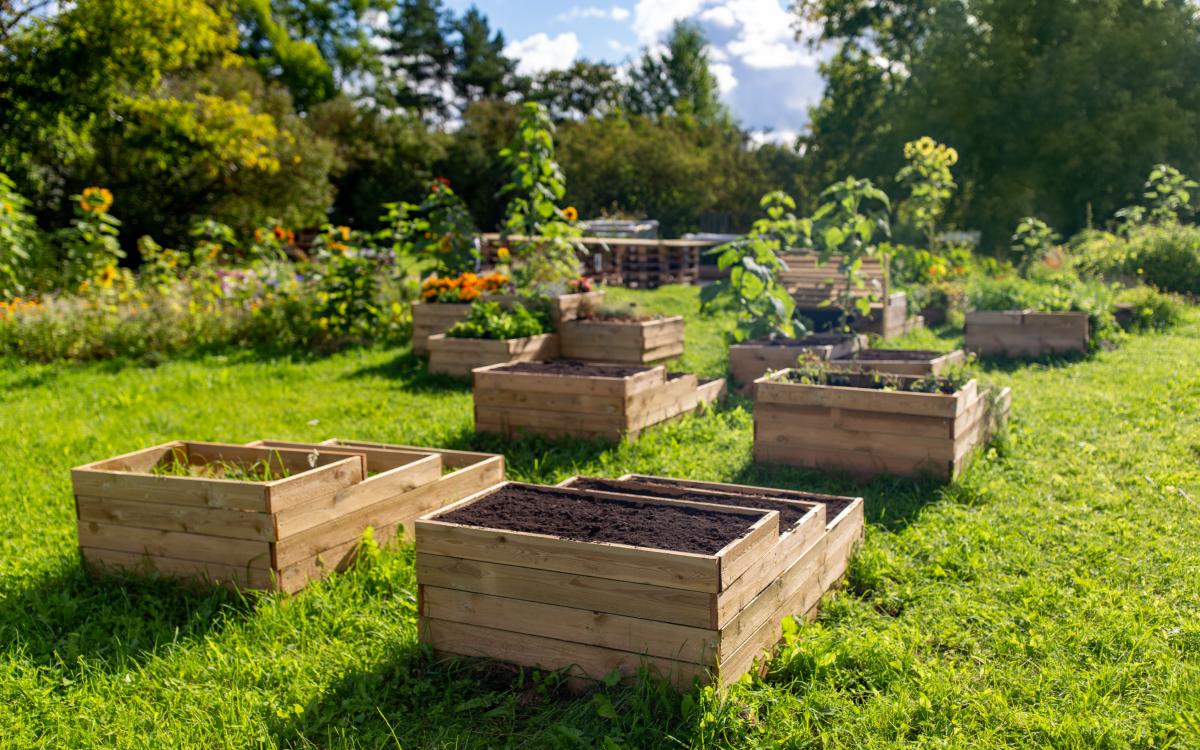
Raised garden beds are a convenient and enjoyable gardening solution for seniors who want to avoid physical exertion. Unlike regular beds, these are elevated above the surrounding ground level, making it easier for you to access and look after the plants.
Reduces the Need to Bend
One of the biggest challenges of traditional gardening lies in the physical effort it requires. You need to stoop lower to pull weeds and kneel to plant seeds. Doing all of this can strain your muscles and be detrimental to your back. Raised garden beds make things easier by bringing plants closer to eye and chest level. So, you no longer have to bend as far to plant, prune, or harvest, which reduces the risk of aches and pains in your back. You can fully enjoy the hobby you love, sans the worries of injuring your body.
Promotes Physical Movement
Looking after plants in a raised garden bed requires gentle stretching, hand coordination, and, sometimes, light lifting. These movements help you maintain balance, posture, flexibility, and strength, and curb back-related issues. So, in addition to creating a lush green garden for yourself, you will benefit from the low-impact exercise by investing in raised garden beds.
Besides providing for back-friendly gardening, raised beds have a range of other benefits.
Lower Maintenance
A raised garden bed requires minimal maintenance. The walls of the bed and the barrier beneath prevent weeds from creeping in from garden pathways. Even if weeds do creep in, you can pull them out easily without bending. Moreover, most beds have controlled irrigation systems, which prevent overwatering and help you conserve water.
Maximum Space Utilization
You do not need a massive backyard for raised garden beds. These beds can be placed along fences, decks, patios, or in unused corners to maximize space. You can even stack them on shelves against a wall to create a vertical garden.
An Opportunity to Connect
Gardening need not be an individual project. You can find out whether any of your family members, neighbors, or friends love gardening and pursue the hobby with them. If you live in a senior living community, for instance, you can work with other seniors to create a beautiful garden using raised garden beds. If you live with family, it could turn into a cross-generational activity. Your grandchildren may love to assemble or decorate the garden bed with you and share easy gardening ideas.
Better Sleep
Spending time tending the garden isn’t just good for your plants but for your sleep cycle, too. When you combine gentle movement with the soothing sights and sounds of the outdoors, you give yourself one of nature’s best sleep remedies. If you garden frequently, you might be able to drift off into a deep slumber easily. You would also wake up feeling truly refreshed because of this peaceful routine and fresh air.
Mindfulness
As you watch leaves unfurl and flowers blossom in your garden bed, you will be drawn into the simplicity of the present moment. Being mindful will help reduce stress, a common contributor to many health problems.
Once you gain more experience in gardening, you can grow vegetables and herbs in garden beds. Just imagine growing fresh lettuce, tomatoes, and strawberries. These fruits and veggies will not only beautify your home but also save you time, effort, and money on buying fresh produce from a grocery store.
Tips to Maintain Raised Garden Beds
The plants growing in raised garden beds will require some level of care from you to thrive.
Pick Low-Maintenance Plants
Almost all plants are suitable for raised bed gardening. But when you set up a senior-friendly garden bed, consider low-maintenance plants. Look for those that require minimal care and are resilient to changes in weather.
Install a Drip Irrigation System
Drip irrigation will minimize the need for manual watering, making gardening more convenient and fun. Your plants will also receive nourishment on time.
Buy Garden Bed Accessories
Use accessories like trellises or stakes to support climbing plants. This will enhance the aesthetic of the garden and make it easier to tend to the growth.
Use Lightweight Tools
You don’t want to struggle maintaining a garden bed. So, go for lightweight tools that are easier to handle and reduce strain on your hands and wrists.
The Editorial Team at Modern60 is a group of highly skilled professionals with diverse backgrounds in journalism, content creation, editing, and digital media. They bring a wealth of experience and expertise to ensure that every piece of content meets our strict editorial guidelines and quality standards. The team is dedicated to delivering accurate, well-researched, and engaging content across various subjects, including health, wellness, lifestyle, and current events. With their commitment to upholding the highest standards of journalism and content creation, the Modern60 Editorial Team is the driving force behind our mission to empower and inspire our readers.









There are no comments yet